
Detailed SKU identification
Reconcile metal finish, color, size, set components and other similar variants against barcode and product-master data.
Jewelry and accessories call for meticulous SKU identification, presentation consistency and clear exception handling. Palletized can design brand-specific pick checks, gift-ready kits and returns workflows for accepted merchandise, including programs that mix eCommerce with boutique replenishment.
Count every piece. Protect its condition. Deliver presentation worthy of the gift.
Get My Customized Proposal ↗
We map the product details, seasonal demands, sales channels and service requirements of your category into practical receiving, pick/pack, value-added and returns procedures—designed with your team before launch.
Not every SKU should be handled the same way. These are examples of operational designs we can scope with your team, based on accepted products, volumes and agreed service levels.
Reconcile metal finish, color, size, set components and other similar variants against barcode and product-master data.
Use brand-specified pouches, gift boxes, inserts and protective materials, with checklist-based presentation for selected orders.
Define count verification, damage documentation, discrepancy escalation and return-review criteria appropriate to the program.
Separate gift-ready DTC orders from retail assortments, case packs and boutique replenishment.
An accessories brand runs a campaign with three gift-box styles and optional message cards. We map SKU combinations to discrete pack instructions and verify packaging supply before orders launch.
Reconcile metal finish, color, size, set components and other similar variants against barcode and product-master data.
Use brand-specified pouches, gift boxes, inserts and protective materials, with checklist-based presentation for selected orders.
Define count verification, damage documentation, discrepancy escalation and return-review criteria appropriate to the program.
We confirm specific handling, compliance and service requirements before onboarding. These are examples of how the eHub can be configured, not an automatic SLA guarantee.
Plan accurate picking of variants, collections and accessories.
Create branded wrapping, pouches and secure packout processes.
Set exception and inventory reconciliation rules appropriate to your products.
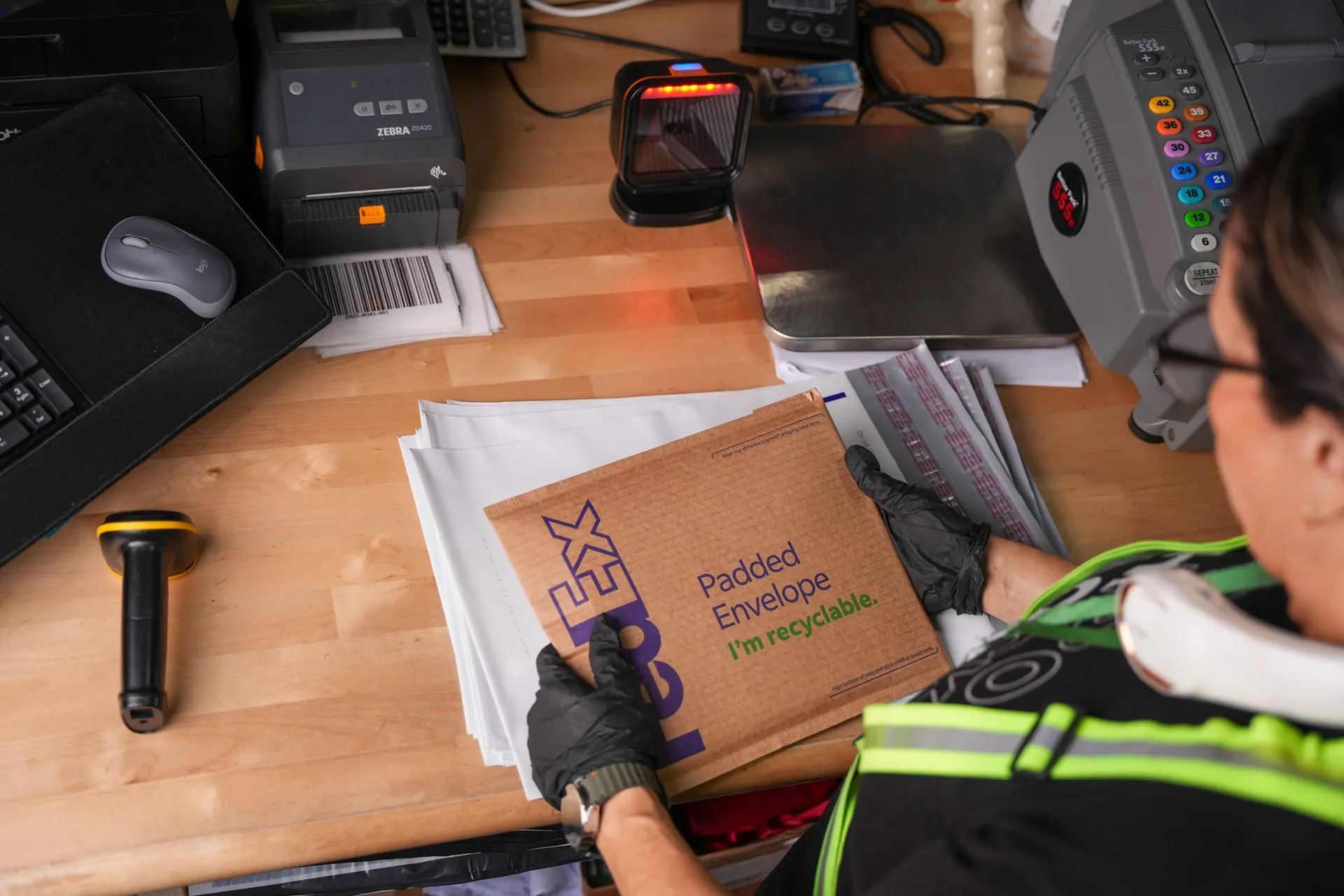
A closer look at the people and stations behind careful preparation and packing.
Tech first. Human always.Value-added services are scoped to your SKUs and brand standards. Pair the right capabilities with your membership and sales-channel mix.
Build jewelry boxes, accessory pairings and custom message kits.
Explore capability →Coordinate pouches, tissue, cards and protective shipper configuration.
Explore capability →Create inspection and condition grading rules for eligible items.
Explore capability →Product & service acceptance: High-value merchandise acceptance, insurance limits, security procedures, serialized handling and liability terms require separate written approval; do not assume luxury-vault capabilities.
Get clarity on the practical questions before you hand off inventory.
We can build an agreed gift-presentation program with pouches, cards, boxes and order-specific inserts.
Possible programs require a separate review of inventory identification, insurance, control procedures and agreement terms.
Return inspection and disposition follow predefined criteria and are documented according to the service scope.
Jewelry fulfillment depends on unit-level inventory accuracy, controlled handling and presentation. One missing earring or incorrect ring size can turn a high-value order into a costly service problem. The operating plan should distinguish fine, demi-fine and fashion jewelry, establish accepted product values and handling rules, and build gift presentation into order instructions.
Reconcile the inbound count at the piece or inner-pack level for accepted merchandise. Define unique SKU identifiers for metal, size, stone and variant; investigate variances before inventory becomes available for sale.
Agree on access, storage location and handling controls based on item value and insurance requirements. Document chain-of-custody expectations, shortage escalation and procedures for items that arrive in damaged packaging.
A single order may need a pouch, box, ribbon, care card, polishing cloth or handwritten-style gift note. Predefine what goes into each presentation level rather than asking packers to improvise.
Returned jewelry is inspected against a condition checklist before resale decisions. Missing parts, signs of wear or presentation damage can be held for owner authorization instead of silently restocked.
The following hypothetical scenarios illustrate how workflows may be scoped. They are not published customer case studies or guaranteed service levels.
A brand launches earrings-and-necklace bundles with three box styles. Receiving verifies each component, kitting uses a bill of materials, and a presentation check confirms the final kit matches the gift promise.
Individual jewelry orders need gift packaging, while boutiques order merchandise in bulk. The two channels use separate packaging and verification instructions.
Questions buyers should ask when evaluating a third-party logistics partner for this product category.
Piece-level reconciliation, variant control, presentation details and returns inspection typically matter more. The precise handling and security controls are agreed per brand.
Yes, gift boxes and sets can be planned with a documented bill of materials, assembly sequence and quality check.
Not automatically. Item value, security requirements, insurance provisions and product eligibility require review and written acceptance.
Tell us a little about your brand, order volume, channels and product requirements. We’ll review your needs and prepare personalized next steps and a proposal tailored to your operation.
Loading your Jewelry & Accessories fulfillment proposal questionnaire…