
Component-level receiving
Map tiny variants, colors, counts and part identifiers; define bins, pack sizes and replenishment checks.
Maker brands sell materials that are often small, color-specific and assembled into kits. Palletized can design a component-counting and kitting operation, with orderly storage, protective packaging and seasonal launch plans for eligible supplies.
Keep many tiny components identifiable, countable and ready for projects.
Get My Customized Proposal ↗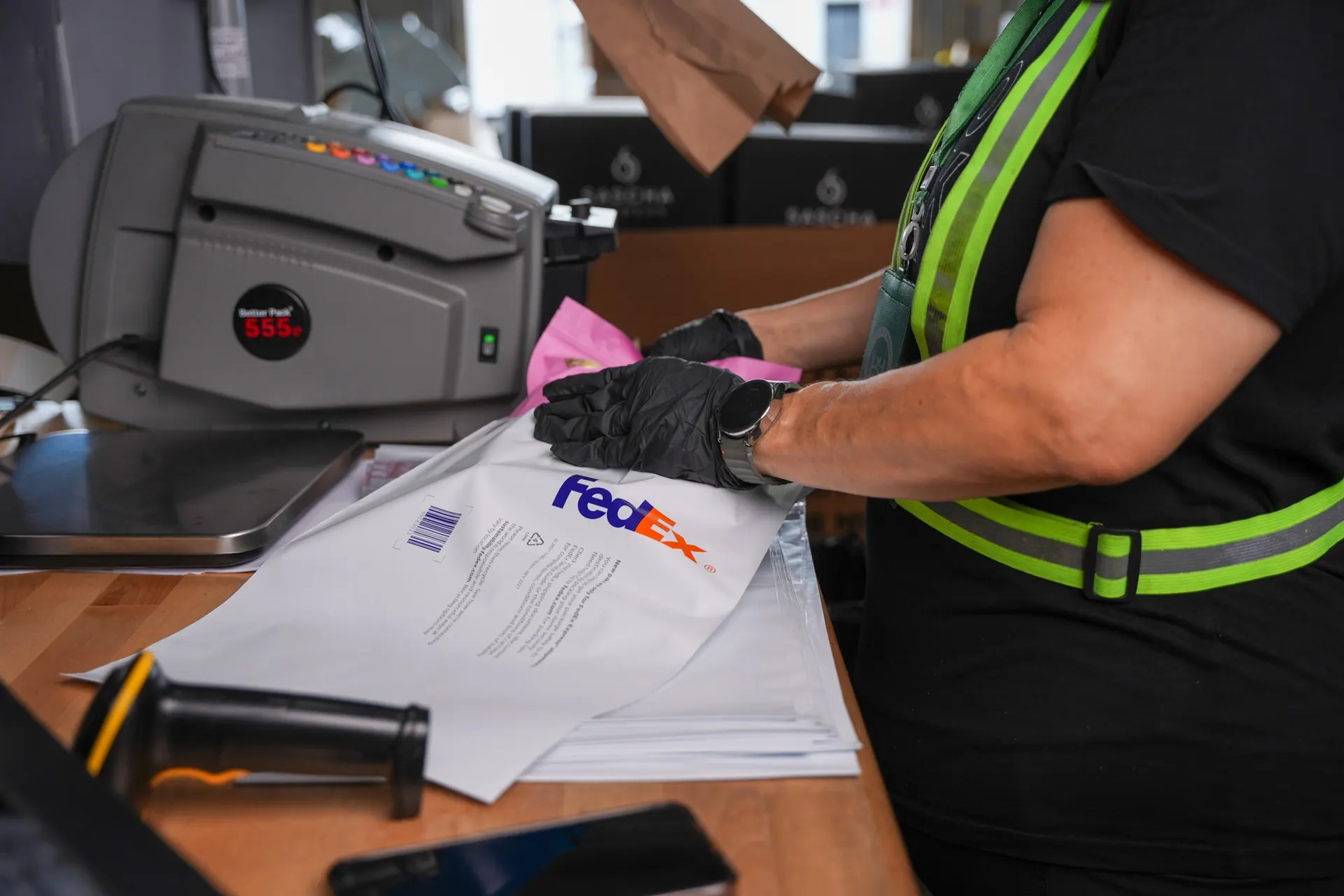
We map the product details, seasonal demands, sales channels and service requirements of your category into practical receiving, pick/pack, value-added and returns procedures—designed with your team before launch.
Not every SKU should be handled the same way. These are examples of operational designs we can scope with your team, based on accepted products, volumes and agreed service levels.
Map tiny variants, colors, counts and part identifiers; define bins, pack sizes and replenishment checks.
Use a bill of materials and a QC checklist so every kit contains the intended quantity of components and instructions.
Select resealable bags, dividers or protective mailers to avoid mix-ups, tangling or damage in transit.
Prepare individual eCommerce kits, event sets, school packs or store assortments under channel-specific instructions.
A DIY brand changes its kit theme every month. We create versioned BOMs, stage components, assemble sample units for approval and ship subscriber batches with separate missing-component exception handling.
Map tiny variants, colors, counts and part identifiers; define bins, pack sizes and replenishment checks.
Use a bill of materials and a QC checklist so every kit contains the intended quantity of components and instructions.
Select resealable bags, dividers or protective mailers to avoid mix-ups, tangling or damage in transit.
We confirm specific handling, compliance and service requirements before onboarding. These are examples of how the eHub can be configured, not an automatic SLA guarantee.
Organize components, color variants, kits and detailed product labels.
Build kits from approved bills of material for classes, hobbies or promotions.
Use packaging SOPs suited to mixed materials and fragile craft components.
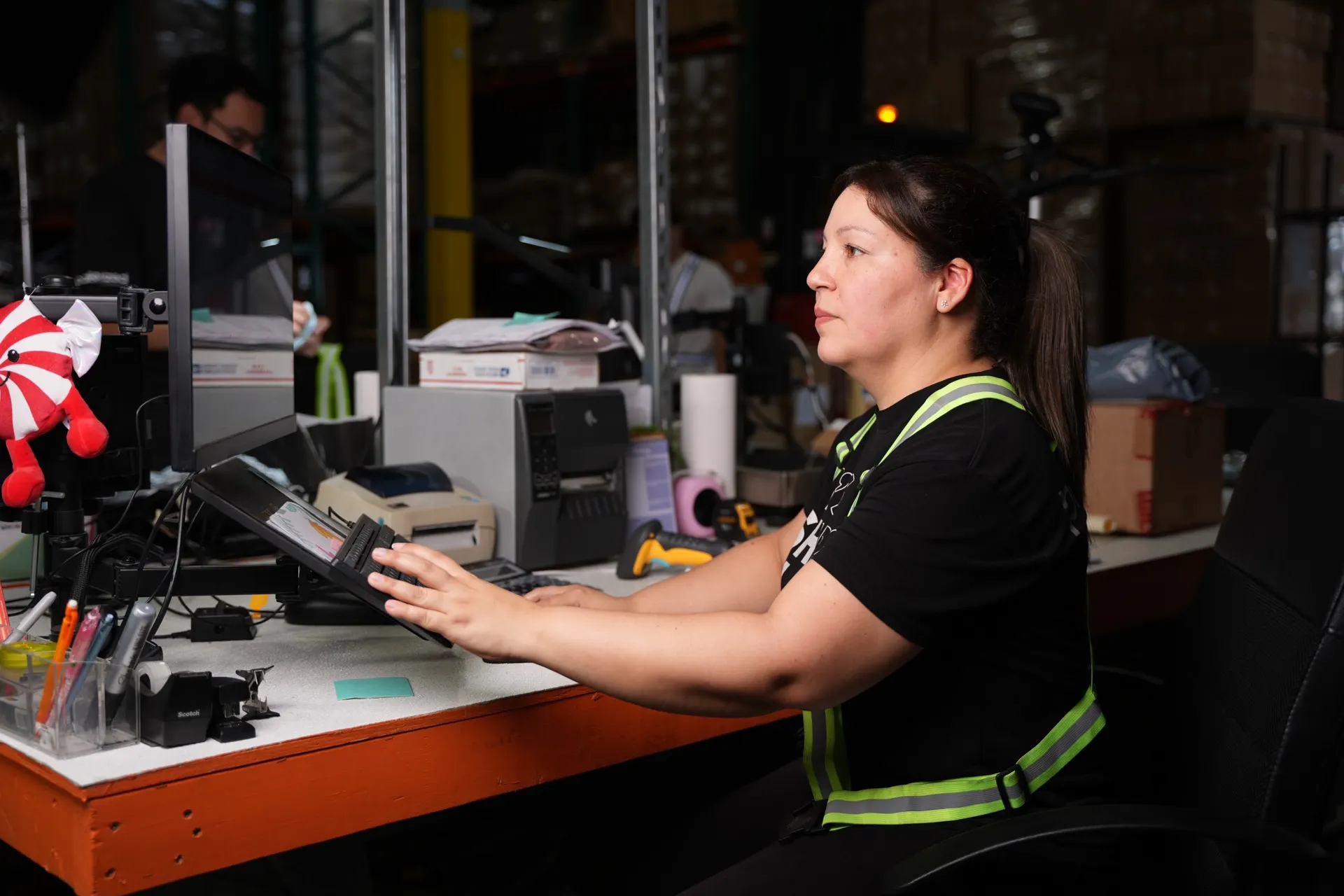
Inventory density, bins and accurate picking need practical discipline on the floor.
Tech first. Human always.Value-added services are scoped to your SKUs and brand standards. Pair the right capabilities with your membership and sales-channel mix.
Combine materials, tools, inserts and packaging in repeatable batches.
Explore capability →Prevent mixed colors, scuffing and breakage using defined pack rules.
Explore capability →Plan monthly or seasonal kit builds against BOM and forecast.
Explore capability →Product & service acceptance: Paints, solvents, resins, aerosols, adhesives, sharp tools and batteries may be restricted or hazardous; products require acceptance and carrier checks before quotation.
Get clarity on the practical questions before you hand off inventory.
Yes, BOM-based kitting can include count verification, sub-bagging and packout checklists for eligible materials.
We can design versioned workflows and replenishment plans for recurring subscription kits.
We review their composition, safety documentation and carrier eligibility; no automatic acceptance of regulated or hazardous materials.
Craft and hobby brands can have thousands of low-dollar SKUs, similar packaging and kits where a single missing bead, tool or color ruins the project. The key is disciplined bin locations, accurate product identification, count verification and kit BOMs that list every required component.
Organize similar shades, sizes and small parts with specific bin locations and barcode identifiers. Reconcile inbound quantities and investigate look-alike substitutions before fulfillment.
Build project packs with a bill of materials specifying components, quantities, substitutions and instructions. Define spot checks or full checklists where the cost of an incomplete kit is high.
Support agreed flows for Etsy, Shopify, Amazon or other connected platforms. Decide which units are sold individually versus reserved for curated kits to protect kit availability.
Plan craft holiday peaks, classroom supply calendars and subscription box changes around inbound component readiness, packaging lead times and picking volume.
The following hypothetical scenarios illustrate how workflows may be scoped. They are not published customer case studies or guaranteed service levels.
A recurring box includes wax, jars, wicks, fragrance and instructions. Components are received to distinct locations, then the kit is packed against a frozen monthly BOM.
An assortment of 1,800 SKUs includes many visually similar colors. Scannable locations, picking checks and exceptions help reduce incorrect color shipments.
Questions buyers should ask when evaluating a third-party logistics partner for this product category.
Yes, when the kit is specified with complete component masters, locations, BOM quantities and QC criteria.
Bin-level organization and barcode-supported workflows can improve identification; slotting is tailored to demand, product dimensions and handling needs.
Potentially. We review the integration path and define order routing and inventory allocation across channels before launch.
Tell us a little about your brand, order volume, channels and product requirements. We’ll review your needs and prepare personalized next steps and a proposal tailored to your operation.
Loading your Arts & Crafts fulfillment proposal questionnaire…